

Stainless steel coils are essential in many industries. They are durable, resist corrosion, and are versatile. These coils come in different types and grades for various uses. This guide covers the types and grades of stainless steel coils and their uses in industry.
What is a Stainless Steel Coil?
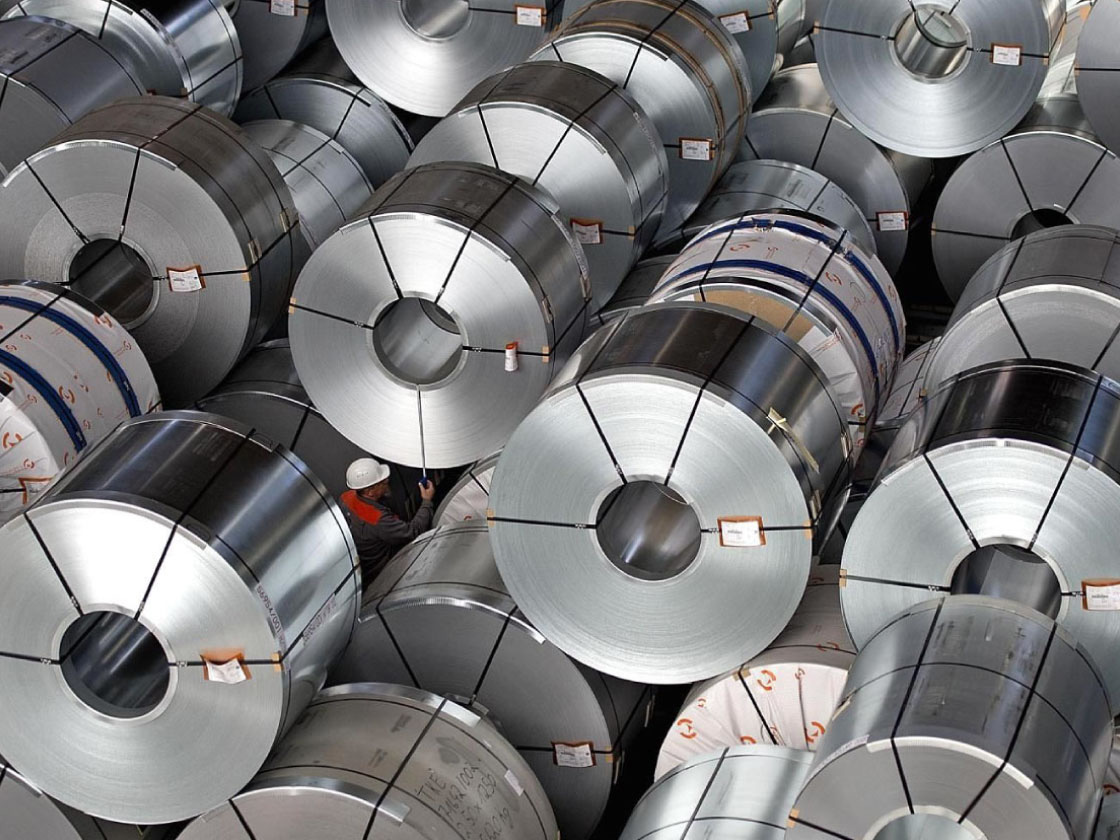
A stainless steel coil is a rolled form of stainless steel that provides strength, rust resistance, and adaptability. It can be easily cut, welded, and formed, making it a popular choice for industrial applications. Available in various grades, these coils meet diverse needs, from heavy machinery manufacturing to decorative purposes.
Types of Stainless Steel Coils
Stainless steel coils come in different types based on their specific properties:
- Hot-Rolled Stainless Steel Coil:
Hot-rolled coils are made at high temperatures. They are easy to work with. So, they are common in structural and industrial uses. They’re known for their durability and are often chosen for heavy-duty tasks.
- Cold-Rolled Stainless Steel Coil:
Cold-rolled coils are produced at low temperatures, producing a smooth, polished finish. They are ideal for applications requiring a refined appearance, such as home appliances, automotive panels, and precision machinery.
- Specialty Stainless Steel Coil:
Specialty coils are manufactured for unique purposes and are often alloyed with other metals to provide enhanced properties, such as increased strength, resistance to extreme temperatures, or high corrosion resistance.
- Grades of Stainless Steel Coil
Stainless steel coils come in various grades, with each grade tailored to specific applications:
- 304 Stainless Steel Coil:
One of the most widely used grades, 304, is known for its excellent corrosion resistance. This product is for indoor and outdoor use. It is good for kitchen and food processing equipment.
- 316 Stainless Steel Coil:
316, which features higher corrosion resistance than 304, is often used in marine and chemical environments due to its ability to withstand harsh conditions.
- 430 Stainless Steel Coil:
With a more affordable price and decent corrosion resistance, 430 is commonly used in automotive trim, household appliances, and applications where a moderate level of rust resistance is acceptable.
Common Applications of Stainless Steel Coils
Stainless steel coils are integral to many industries because of their flexibility and durability. Here are some of the primary applications:
- Construction and Architecture: Stainless steel coil are widely used in construction. They are strong and weather-resistant. They are used in building facades, roofing, and structural components.
- Automotive Industry: Coils are used in manufacturing car frames, exhaust systems, and decorative elements, where both aesthetic appeal and durability are required.
- Food and Beverage: Stainless steel’s hygiene makes it ideal for kitchen use. It’s perfect for equipment, food storage, and countertops.
- Chemical and Marine Applications: In harsh environments, grades like 316 are preferred. They resist chemicals and salt water.
Advantages of Stainless Steel Coil
Using stainless steel coil offers several benefits, such as:
- Corrosion Resistance: Stainless steel coil resists rust and corrosion, even in challenging environments.
- Versatility: Its flexibility makes it suitable for many shapes and applications.
- Longevity: Stainless steel is durable. It lasts and cuts replacement costs over time.
Stainless steel coils are crucial in many industries. They offer a mix of strength, flexibility, and resistance to environmental factors. These coils provide the reliability and strength that modern applications require. This is especially true in the construction, automotive, and food industries.