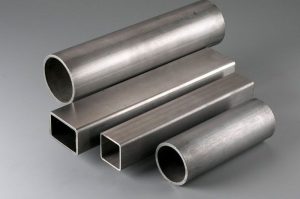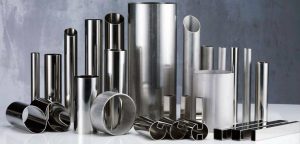


When selecting stainless steel round pipes and tubes for your project, choosing the right ones is crucial to ensure optimal performance, safety, and durability. However, with so many available options, it can be overwhelming and confusing to make the right choice. In this blog post, we’ll guide you on selecting the right stainless steel round pipes and tubes for your project and avoiding costly mistakes.
Determine the Application Requirements
The first step to selecting the right stainless steel round pipes is determining your project’s application requirements. Consider your application’s temperature, pressure, and chemical resistance requirements and select a stainless steel grade that can withstand these conditions. For example, if you’re using pipes for high-temperature applications, choose a grade with high-temperature resistance, such as 310. On the other hand, if you’re using them for chemical processing, choose a grade with excellent resistance to chemicals, such as 316.
Consider Your Project Requirements
When selecting the right stainless steel round tubes for your project, it is important to consider its requirements. It would help if you considered factors such as size, pressure rating, temperature rating, corrosion resistance, and cost. This will help you determine which type of stainless steel material is best suited for your project.
Consider the Pipe and Tube Size
The size of the stainless steel round pipes and tubes is an essential factor to consider. The size should match your project’s requirements, so you don’t have to compromise on the overall performance. The size determines the flow rate, pressure drop, and pipe weight. Consider the diameter, wall thickness, and length of the pipes, depending on your application needs. For instance, choose a large-diameter pipe if you need high-flow rates. On the other hand, if you need to transport gases or fluids with high-pressure requirements, use a thicker wall-thickness pipe.
Understand the Different Grades of Stainless Steel
When selecting stainless steel pipe, it is important to understand the different grades available. There are several grades of stainless steel, including 304L, 316L, and 321H. Each grade has properties and characteristics that make it suitable for certain applications. Selecting a grade that meets your project requirements in terms of strength, corrosion resistance, and temperature tolerance is important.
Choose the Right Finish
The finish of the stainless steel pipes & tubes plays a crucial role in their aesthetics and corrosion resistance properties. Various finishes are available, such as polished, matte, and brushed. However, each finish has a unique purpose, so choose the right one depending on your application needs. For example, if you use pipes in food processing or medical applications, select a polished finish that is easy to clean and maintain. On the other hand, if you need a corrosion-resistant finish, choose a brushed finish.
Verify the Tolerance and Quality Standards
The tolerance and quality standards of the stainless steel round tubes are vital to ensure optimal performance and safety. Verify whether the pipes meet industry standards, such as ASTM, ASME, and ANSI. Also, check the tolerance requirements, such as wall thickness, straightness, roundness, and surface finish. Choosing pipes with the right tolerance and quality standards can reduce the risk of leaks, cracks, and failures.
Consider the Cost and Availability
The cost and availability are the final factors to consider when selecting stainless steel round pipes. Although you may want to invest in high-quality pipes and tubes, consider whether they fit within your budget. Also, check the availability of the pipes and tubes to ensure your project’s completion is on time. Consider working with a trusted supplier who can provide quality pipes and tubes at a reasonable price and timely delivery.
Conclusion:
Selecting the right stainless steel round pipes and tubes for your project is crucial to ensure optimal performance, safety, and durability. Consider factors such as application requirements, pipe size, finish, tolerance and quality standards, and cost and availability. Working with a trusted supplier who can provide you with the right pipes can save you time and money and ensure a successful project outcome. Always consult experts to avoid costly mistakes and ensure your project’s success.